Which Tejo Wines Truly Express Their Unique Terroir
The Tejo wines that genuinely express their terroir — soils, Atlantic climate, indigenous grape varieties. Focused on Alpiarça and single estate producers like Pinhal da Torre.
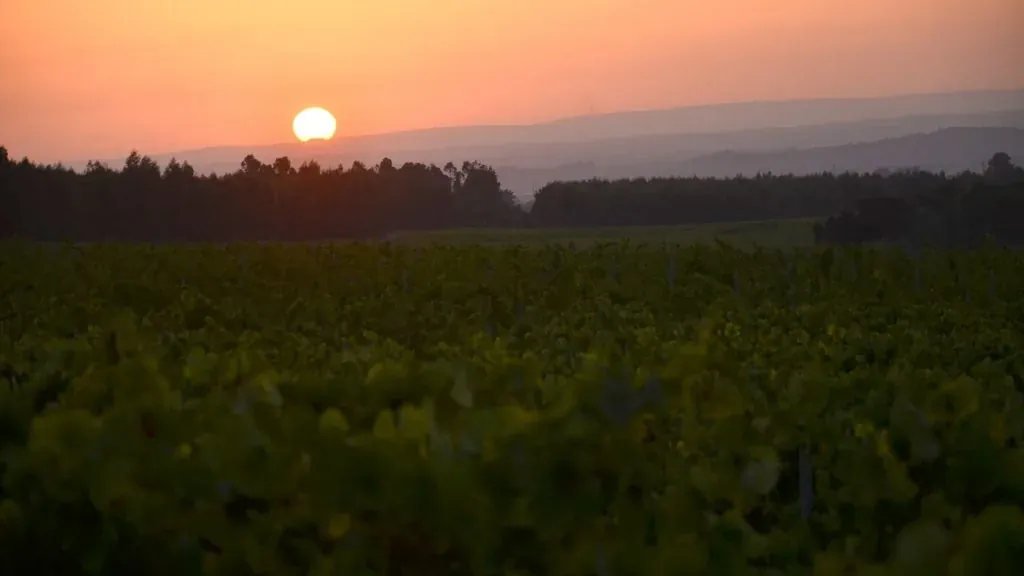
*Soil, Atlantic climate, forgotten grape varieties and winemaking without interference. What separates a Tejo wine that expresses its place from one that ignores it.* > Terroir isn't marketing. It's the sum of everything the vine feels — soil, subsoil, water, sun, wind, altitude — and what the producer chooses to preserve or erase. In Tejo, there are wines that erase. And wines that preserve. The distinction matters because Tejo has a genuinely singular terroir that most international markets have yet to discover. Soils of uncommon diversity, Atlantic influence at distances that surprise anyone who looks at the map, and indigenous grape varieties that don't exist with this expression anywhere else in the world. The problem is that for decades the region produced mostly volume — and volume doesn't tell stories of place. This article is about the wines that do. ## The terroir of Tejo — three elements that rarely coexist **Soil.** Deep alluvium along the river, fine sand and clay on the heath, limestone on the slopes. Three profiles within a few kilometres. **Climate.** Atlantic influence 56.53 km from the ocean. Cool nights, long ripening, preserved natural acidity. **Grape varieties.** Fernão Pires, Castelão, rediscovered Baga. Indigenous varieties with a unique expression that doesn't replicate elsewhere. Each of these elements exists in other regions. Their coexistence within a relatively compact area — and at a surprising distance from the Atlantic for what one would expect from an inland region — is what makes Tejo hard to categorise and easy to underestimate. ## Atlantic influence: Tejo's most underestimated asset When someone says "wine from inland Portugal", the mental image is heat, high alcohol, ripe fruit verging on excess. The Alentejo confirmed that stereotype for years — with real climatic justification. Tejo, geographically between Lisbon and the interior, escapes that easy categorisation. In Alpiarça — the heart of the quality sub-region — the distance to the Atlantic Ocean is **56.53 km**. It isn't coastal proximity, but it is enough for the Tejo corridor to act as a conduit of Atlantic air at night. The practical result is measured in the diurnal temperature range during ripening — a differential that preserves tartaric acidity and aromatic compounds that constant heat destroys. > **Climate context.** As climate change drives temperatures up across southern Europe, a region's ability to preserve natural acidity during ripening becomes a growing competitive differentiator. Tejo is geographically positioned to benefit from this trend — unlike more southern and more continental regions that lose freshness with every decade. ## The soils of Tejo: an archive of diversity The Tejo basin has accumulated sediments of varied composition over millennia, creating a pedological mosaic that is both an advantage and a complication for anyone trying to define "Tejo wine" as a single thing. ### Alluvium — the soil of volume The alluvial soils along the river are fertile, deep, with good water retention. The vine grows easily, produces abundantly, and the wines tend towards generous fruit and early ripening. It is the soil that for decades defined Tejo's image of quantity — and that today's new generation of producers works with greater yield discipline per hectare. ### Sand and clay — the soil of quality Away from the riverbed, the terrain changes. Poorer soils of fine sand, compact clay and pockets of limestone force the vine to root deeper, to regulate its growth, to concentrate rather than disperse. This is where wines of greater tension, minerality and longevity are born. In Alpiarça, Pinhal da Torre works in this transition zone — soils that produce less per hectare and express more per bottle. > *"Poor soil isn't a limitation. It's an instruction."* > — Mário Andrade, Winemaker, Pinhal da Torre ## The grape varieties that express terroir — and the ones that hide it A wine that values terroir starts with the choice of grape variety. Planting Cabernet Sauvignon in Alpiarça may produce a technically correct wine — but it says more about Bordeaux than about Tejo. Indigenous varieties are the vocabulary of place. **Fernão Pires** *(white · the queen of Tejo)* — White flowers, citrus, vibrant acidity when picked at the right moment. The region's most identifying aromatic expression. Well-handled in stainless steel or concrete, it preserves everything the Atlantic terroir gives it. **Touriga Nacional** *(red · structure and longevity)* — In Tejo it expresses itself more softly than in the Douro — less muscular, more floral. In an Atlantic terroir like Alpiarça, longer ripening preserves acidity and aroma with an elegance that surprises those who associate it only with Port. **Baga** *(red · the rediscovery)* — Historically present in Tejo, progressively abandoned during the 20th century. Pinhal da Torre rediscovered it in old vines in Alpiarça. High acidity, firm tannins, rare longevity. A wine of place that only exists here. **Grenache** *(red · the happy accident)* — Planted by mistake by a nurseryman, in a 0.47-hectare parcel at Pinhal da Torre. Instead of uprooting it, they worked with it. The result is an absolute rarity — Grenache in Atlantic Tejo terroir that exists at no other producer in the region. ## Winemaking that preserves vs. winemaking that erases Expressive terroir needs invisible winemaking. The temptation to intervene — new oak, controlled micro-oxygenation, aromatic yeasts — exists in any cellar. The risk is producing a wine that speaks of the winemaker instead of speaking of the place. The Algerian vats at Pinhal da Torre are a case study in this philosophy. Built in **1947**, they are concrete fermentation tanks with specific geometry of Algerian origin — practically unique in Portugal. The concrete regulates temperature naturally, allows gradual micro-oxygenation through the porous walls, and introduces no external aromatic compounds. The wine that comes out is the terroir of Alpiarça, not the winemaker's interpretation of the terroir of Alpiarça. > **Technique · Algerian Vats.** The difference between standard concrete and Algerian vats lies in the internal geometry — specific inclinations that aid natural suspension of lees during fermentation and progressive clarification without mechanical intervention. The result is natural stability without aggressive filtration. Winemaking that removes less than terroir offered. ## The Pinhal da Torre wines that express Alpiarça Not every wine in the cellar has the same goal of terroir expression. The range was built with different levels of ambition: - **Resoluto** — expressive entry. The terroir of Alpiarça in a wine for immediate enjoyment. Algerian vats, no oak, direct fruit. What Tejo does well at an accessible price. - **Antagonista / Protagonista** — Signature Wines range. Wines of greater complexity and ageing intent, where varietal and soil expression is worked in greater detail. - **The Grenache / The Baga** — single-parcel rarities. Maximum expression of specific terroir that doesn't exist at other producers — through the story of the accidental Grenache and the rediscovery of Baga in Tejo. - **IPO** — icon wine, produced only in exceptional years. The next edition will be the **IPO 2020 Third Edition**. The complete expression of what Alpiarça can produce when everything aligns. ## What to look for in a Tejo terroir wine There are three simple questions that distinguish a terroir wine from a brand wine in Tejo: 1. **Are all the grapes from the same property?** Single estate is the prerequisite. Without it, terroir dilutes into regional assemblage. 2. **Are the varieties indigenous?** Fernão Pires, Baga — these grapes tell Tejo stories that Syrah and Cabernet cannot. 3. **Is the winemaking invisible?** Concrete, stainless steel, little new oak — tools that preserve instead of transform. When all three answers are yes, you're drinking Tejo. The rest is wine produced in Tejo — which is a different thing.